What Insulated Siding Installation Involves
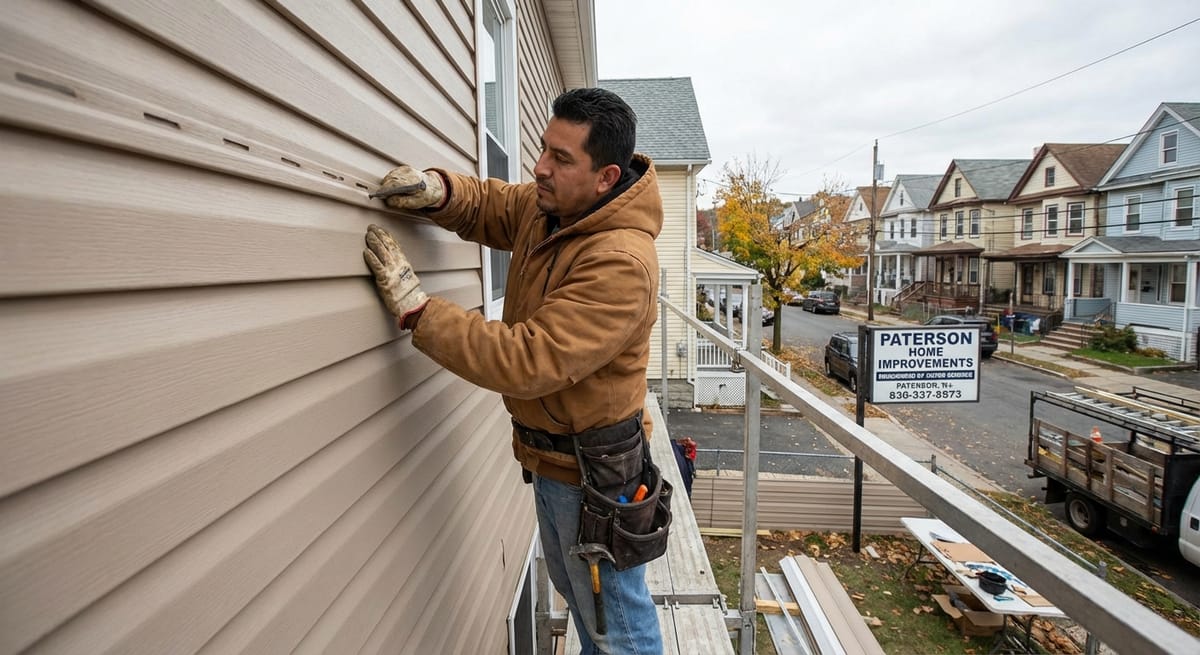
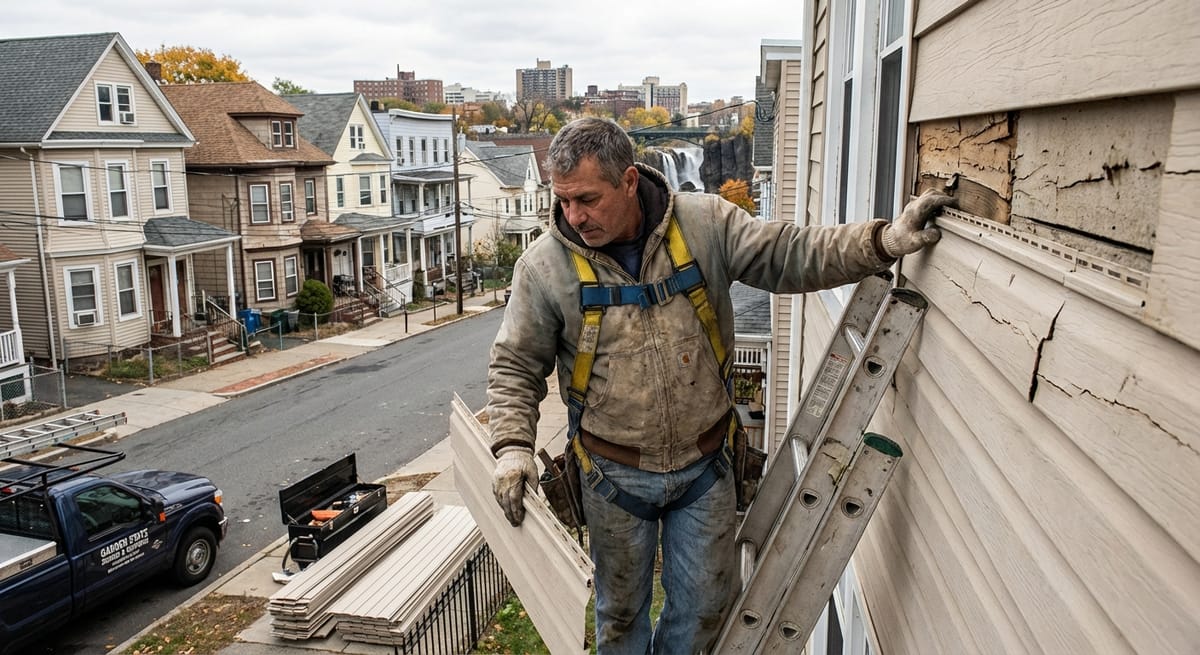
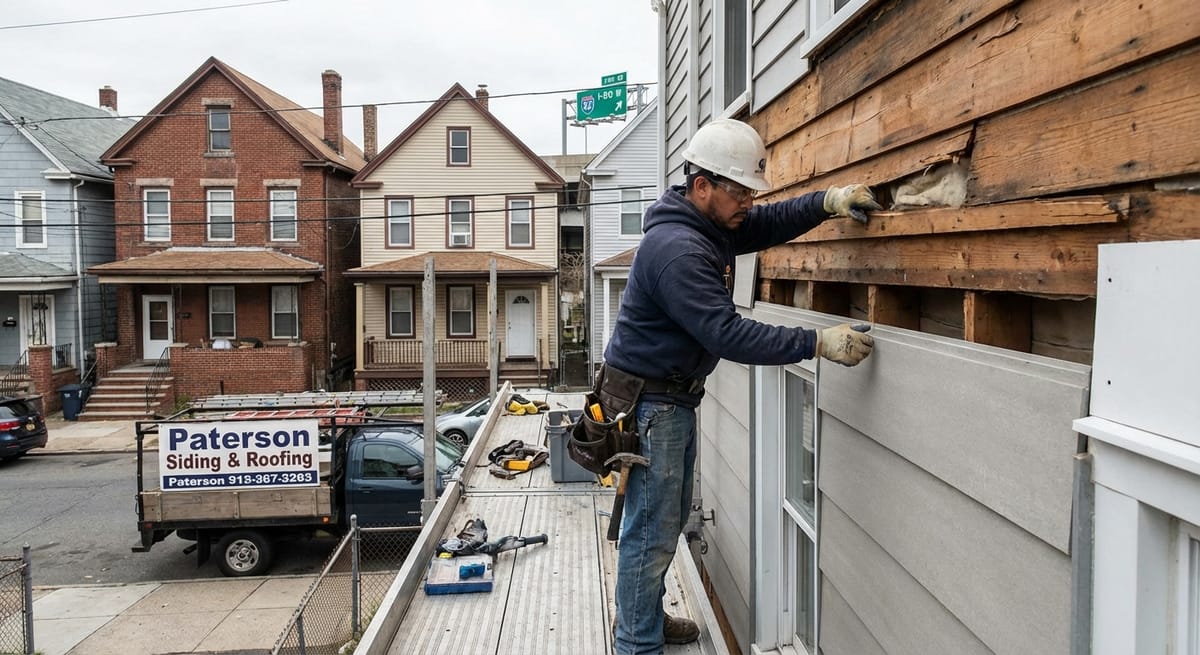
Insulated siding differs from traditional vinyl siding through the addition of a rigid foam backing permanently attached to each panel. During installation, our crew begins by carefully removing your existing siding and inspecting the underlying sheathing for damage, moisture issues, or areas that need repair. We address any structural concerns before moving forward to ensure your new siding has a solid foundation.
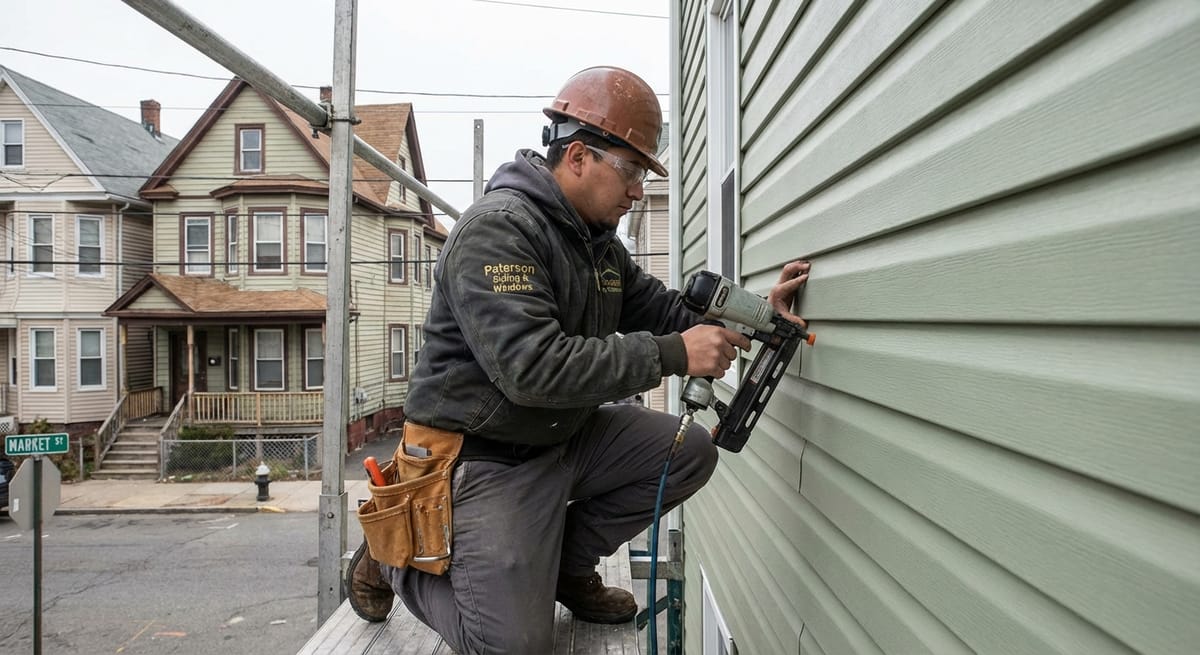
Next, we install a weather-resistant barrier if one isn't already present, providing an additional layer of protection against moisture infiltration. The insulated siding panels are then measured, cut, and secured using manufacturer-approved fasteners and techniques. Each panel interlocks with the next, creating a continuous thermal envelope around your home. We pay special attention to corners, window and door trim, and soffit areas where proper finishing makes the difference between a professional result and a subpar job.
The foam backing on insulated siding fills the uneven gaps between the siding and your home's sheathing. Traditional hollow-back siding leaves air pockets that allow thermal bridging and can feel flimsy when touched. Insulated panels sit flush against the wall, creating a more solid feel and eliminating those energy-wasting gaps.
When You Need Insulated Siding
Several situations indicate that insulated siding would benefit your Paterson home. If your current siding is cracked, warped, faded, or showing signs of moisture damage, replacement becomes necessary—and upgrading to insulated panels makes sense rather than installing standard hollow-back vinyl.
Homeowners who notice uneven temperatures throughout their house, drafts near exterior walls, or unusually high heating and cooling bills often find that inadequate wall insulation is part of the problem. While insulated siding doesn't replace wall cavity insulation, it adds a continuous layer of thermal protection that reduces heat transfer through the wall assembly.
If your home was built before modern energy codes took effect, or if you're planning other exterior renovations like window replacement or roof work, coordinating insulated siding installation creates an opportunity to address multiple efficiency improvements at once. Paterson homes face hot, humid summers and cold winters, making thermal performance a year-round concern.
Homes with existing siding that looks outdated or doesn't match your aesthetic preferences also qualify as candidates. Insulated siding comes in numerous colors, textures, and profiles—including options that mimic wood grain, cedar shakes, or smooth contemporary finishes—allowing you to refresh your home's appearance while gaining energy benefits.
Why Energy Loss Happens Through Exterior Walls
Understanding why homes lose energy through walls helps explain the value of insulated siding. Traditional wall construction includes studs spaced sixteen or twenty-four inches apart, with insulation batts fitted between them. However, the studs themselves conduct heat, creating thermal bridges where energy transfers more easily than through the insulated cavities.
Additionally, standard hollow-back siding leaves an air gap between itself and the sheathing. This gap allows convective air currents that carry heat away from your home in winter and let heat penetrate in summer. Moisture can also condense in this space, potentially leading to mold growth or structural deterioration over time.
Older homes in Paterson may have settled insulation, gaps where insulation was never properly installed, or outdated materials that have degraded. While insulated siding doesn't address these issues directly, it adds a consistent R-value across the entire wall surface, including over studs and any imperfect areas in the cavity insulation.
Air infiltration around windows, doors, and penetrations also contributes to energy loss. Professional insulated siding installation includes proper sealing and flashing at these transition points, reducing infiltration pathways that undermine your home's efficiency.
What Affects the Cost of Insulated Siding
Several factors influence the investment required for insulated siding installation on your Paterson home. The total square footage of exterior wall area is the primary driver—larger homes require more material and labor. Homes with complex architecture featuring multiple dormers, bay windows, gables, and corners take longer to side than simple rectangular structures.
The condition of your existing siding and underlying sheathing affects cost. If removal reveals rotted plywood, damaged house wrap, or pest infestations, repairs add to the project scope. Homes with asbestos-containing siding require specialized removal procedures that increase expenses.
Your choice of siding profile and color also matters. Premium options like insulated shake-style panels or designer color palettes carry higher material costs than standard profiles. Thicker foam backing with higher R-values costs more than thinner alternatives but delivers greater energy savings over time.
Accessibility plays a role as well. Homes with steep terrain, limited staging areas, or heights requiring specialized equipment take longer to complete. The number and type of windows, doors, and exterior fixtures requiring trim work influences labor hours.
Insulated Siding Compared to Standard Vinyl
When weighing insulated siding against traditional hollow-back vinyl, consider both upfront costs and long-term value. Standard vinyl siding costs less initially but provides no thermal benefit. The hollow panels can dent more easily, feel less substantial, and leave that air gap where moisture and energy loss occur.
Insulated siding's foam backing typically adds R-2 to R-5 to your wall assembly, depending on the product selected. While this doesn't replace proper wall insulation, it contributes meaningful thermal resistance, particularly over stud locations where cavity insulation provides no help.
The contoured foam backing also helps the siding maintain its shape better, resist impact damage, and reduce the transmission of exterior noise into your home. Many homeowners notice their homes feel quieter after insulated siding installation, especially those near busy Paterson streets.
From a durability standpoint, both insulated and standard vinyl resist rot, insects, and require minimal maintenance. However, the superior impact resistance of insulated panels means fewer dents from hail, flying debris, or accidental contact.
Repair Versus Full Replacement
Minor damage to insulated siding can sometimes be repaired without replacing the entire installation. Individual panels that are cracked, dented, or damaged can be removed and replaced if matching panels are available. This is one reason we recommend keeping leftover materials from your installation for future repairs.
However, if damage is widespread, if your siding has faded significantly since installation, or if the original product has been discontinued, matching new panels to existing ones becomes difficult or impossible. In these cases, full replacement makes more sense than patchwork repairs that create a mismatched appearance.
Age also factors into the decision. If your insulated siding is approaching the end of its expected lifespan and showing multiple issues, investing in repairs offers diminishing returns. Modern insulated siding products have improved significantly, so replacement with current materials often delivers better performance than extending the life of older products.
When evaluating repair versus replacement, consider your plans for the home. If you're preparing to sell, fresh siding dramatically improves curb appeal and buyer perception. If you're staying long-term, the energy savings and comfort improvements from new insulated siding compound year after year.
Why Paterson Homeowners Choose Insulated Siding
Paterson's climate presents challenges that insulated siding addresses effectively. Summer humidity combined with air conditioning creates condensation potential that the vapor management of proper siding installation controls. Winter cold makes the thermal break provided by foam backing valuable for comfort and cost savings.
The urban environment of Paterson means homes often sit close together, making exterior aesthetics important for neighborhood property values. Insulated siding's variety of styles allows homeowners to achieve distinctive looks that complement Paterson's diverse architectural heritage, from Victorian-era homes to mid-century ranches to contemporary construction.
Our team at Paterson Vinyl Pros understands local building codes, permit requirements, and the specific challenges of working on Paterson properties. We've installed insulated siding throughout the area and know how to handle the tight lot lines, varied foundation heights, and architectural details common to homes here.
The Installation Process Timeline
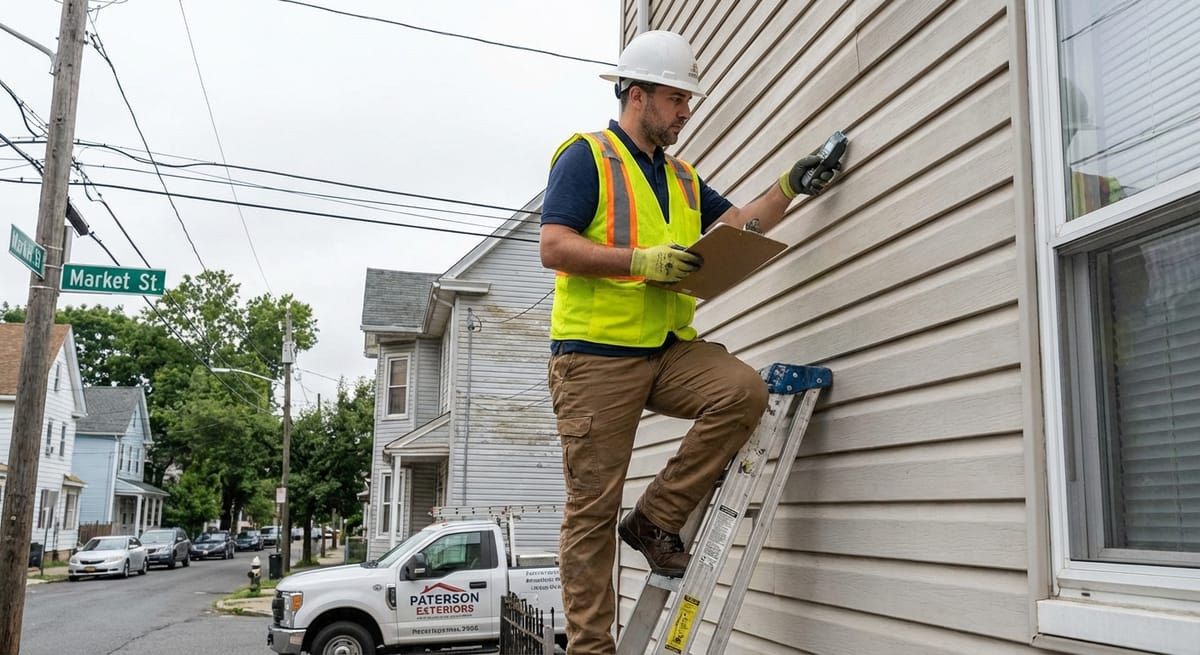
A typical insulated siding installation on an average-sized Paterson home takes approximately one to two weeks from start to finish, though project complexity affects duration. We begin with an on-site consultation to measure your home, discuss product options, and identify any special considerations.
Once you've selected your siding and scheduled installation, we order materials and coordinate delivery. On the start date, our crew arrives with all necessary equipment, sets up protective measures for landscaping and walkways, and begins careful removal of existing siding.
Each day of active work, we maintain a clean job site and minimize disruption to your daily routine. We communicate progress updates and address any questions that arise. Upon completion, we conduct a thorough inspection, clean up all debris, and walk through the finished project with you to ensure your complete satisfaction.