What Siding Replacement Involves
Siding replacement is a comprehensive exterior renovation project that transforms your home's protective shell. Unlike repairs that address isolated problem areas, replacement means removing every piece of existing siding down to the sheathing and starting fresh with new materials throughout.
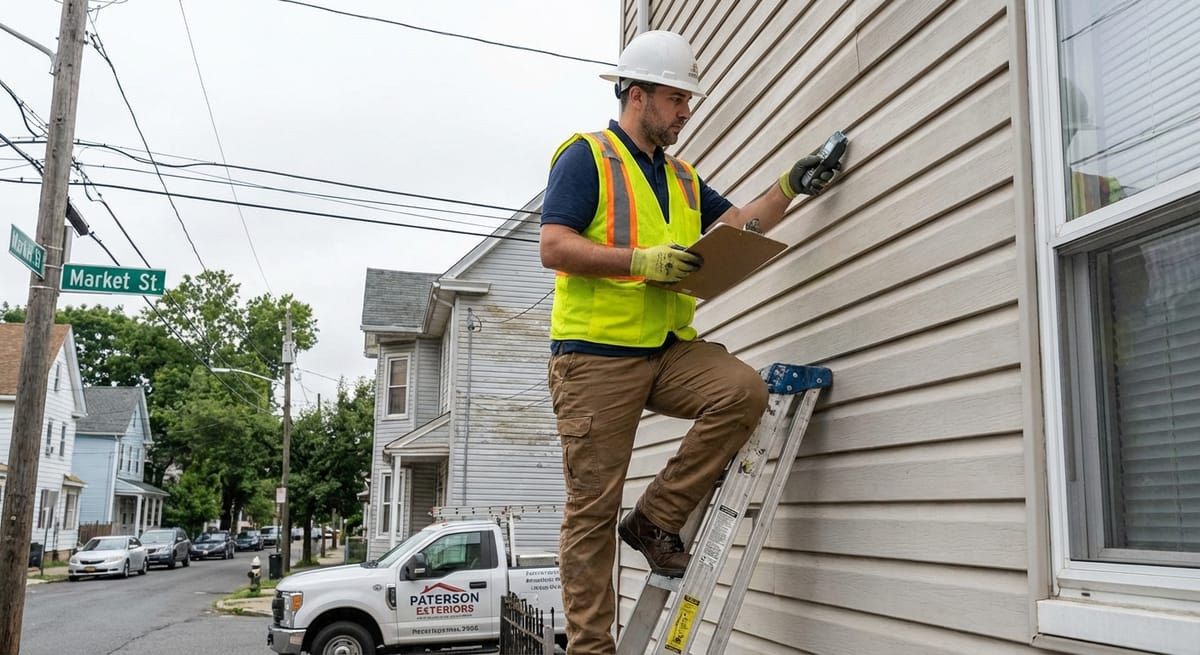
The process begins with a thorough inspection of your home's exterior. Our team examines the underlying structure, including the sheathing, house wrap, and framing, to identify any hidden damage that needs attention before new siding goes up. This step is critical because installing beautiful new vinyl over rotted sheathing or compromised framing creates problems that will resurface later.
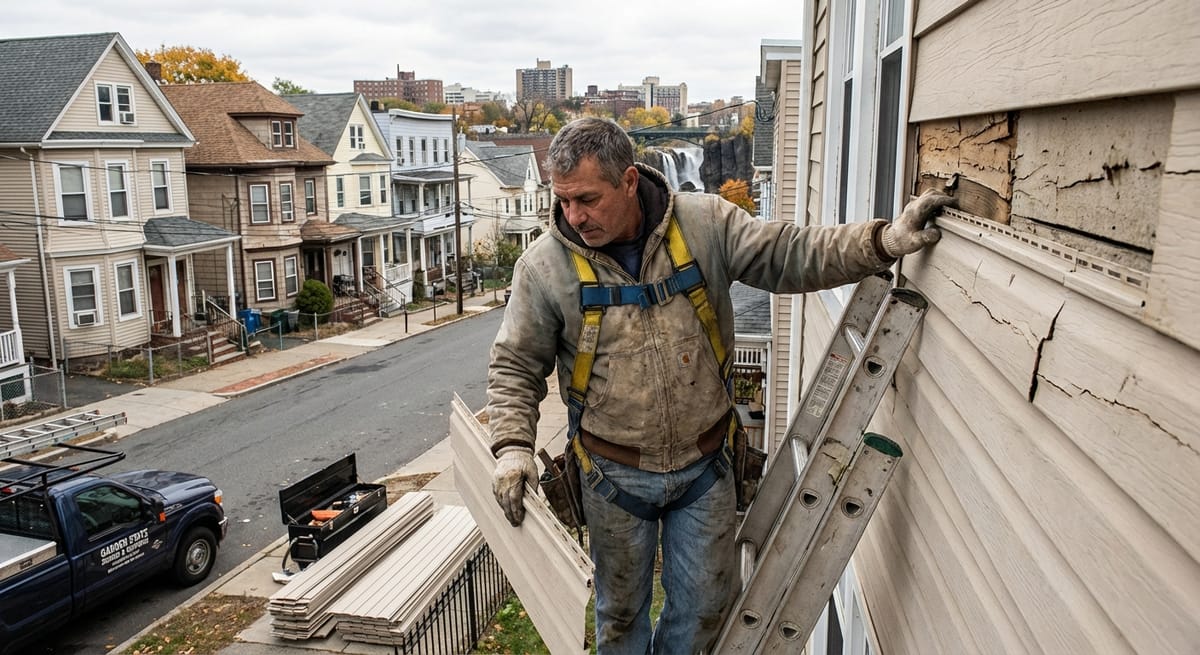
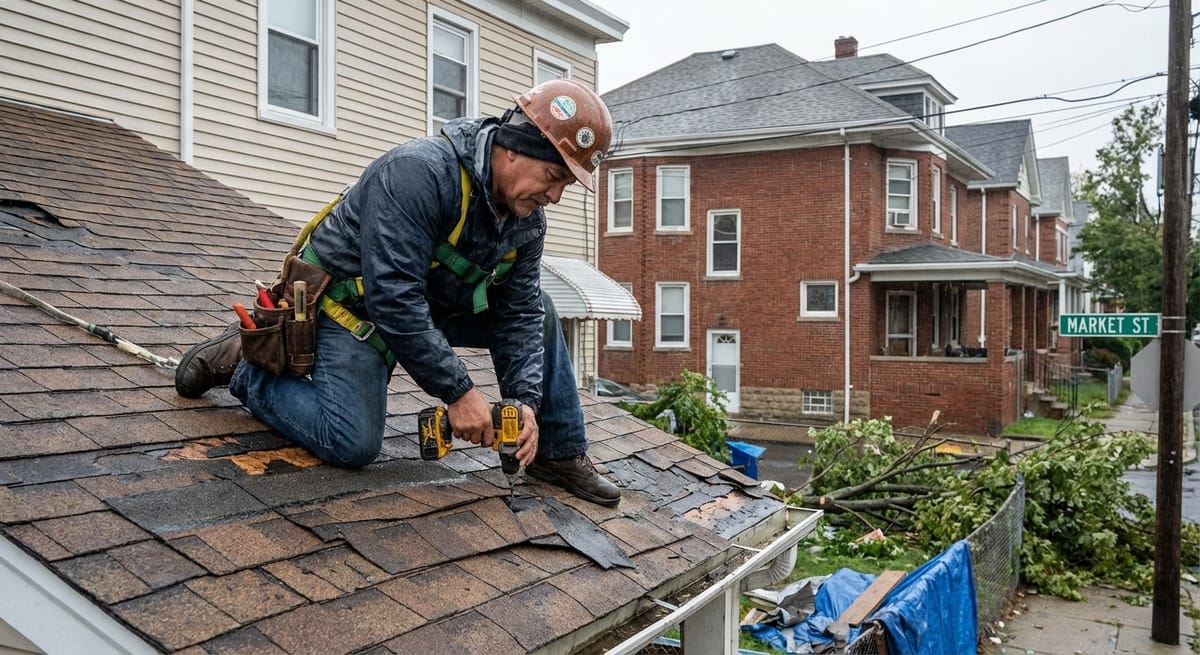
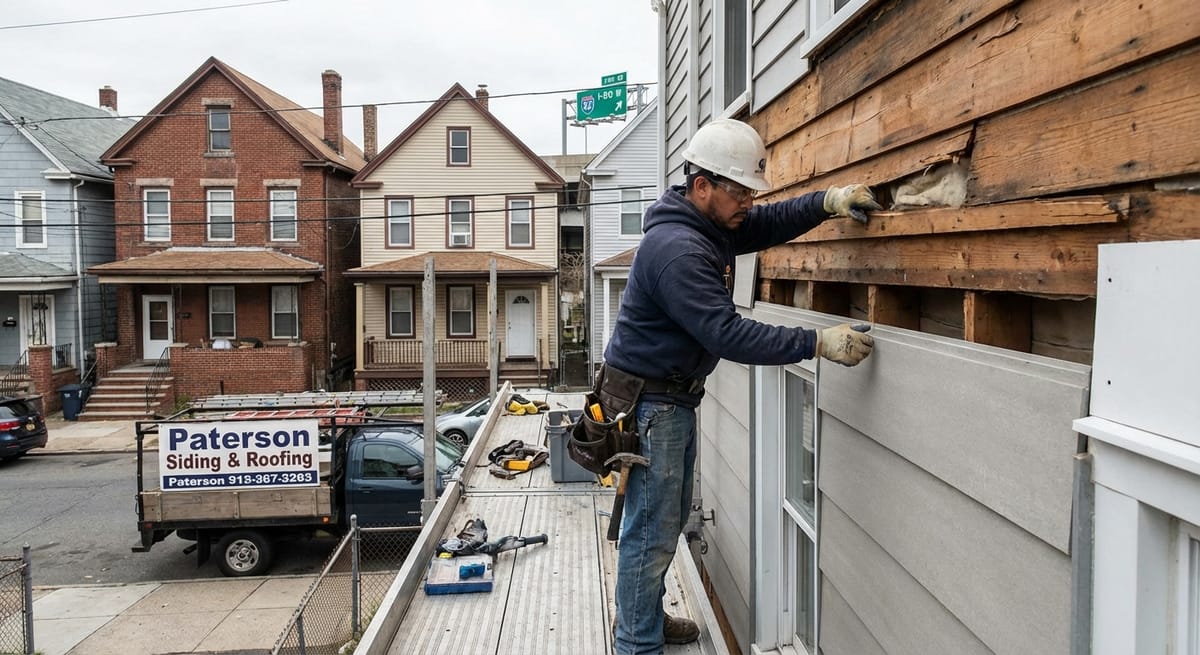
Once we understand the full scope of work, we carefully remove the old siding. This demolition phase requires precision to avoid damaging windows, doors, trim, and landscaping. We dispose of old materials responsibly and prepare the surface for new installation.
Before the first panel goes up, we address any underlying issues discovered during inspection. This might include replacing damaged sheathing, adding or updating house wrap for moisture protection, and ensuring proper flashing around windows and doors. These preparatory steps create a solid foundation for your new siding.
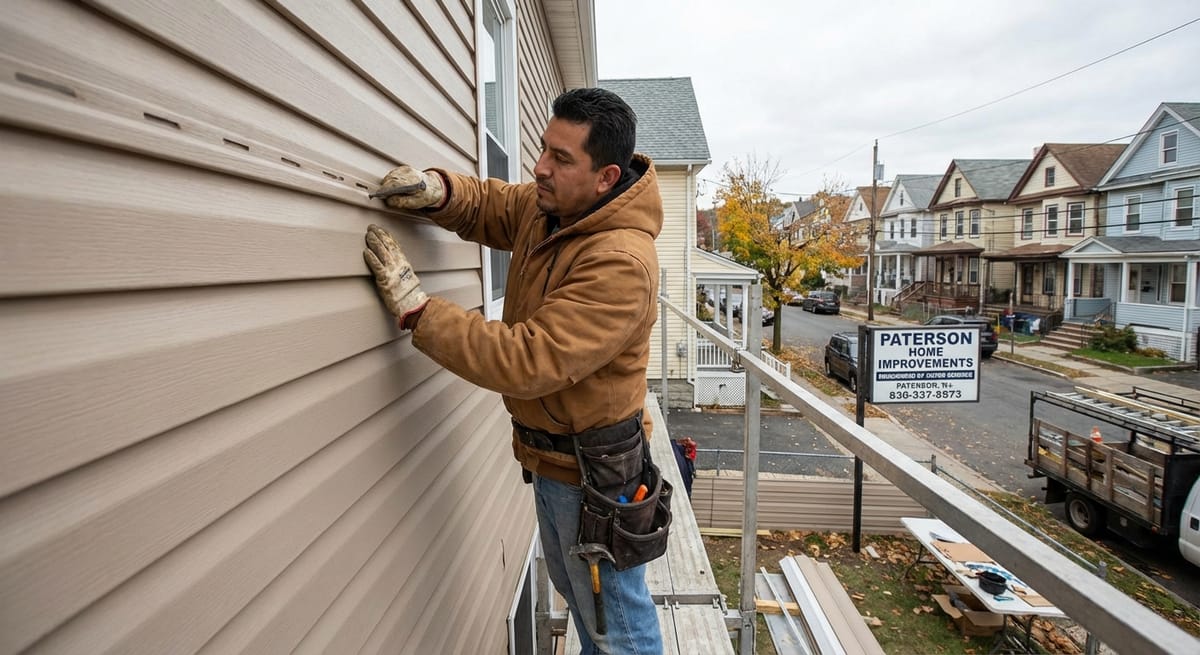
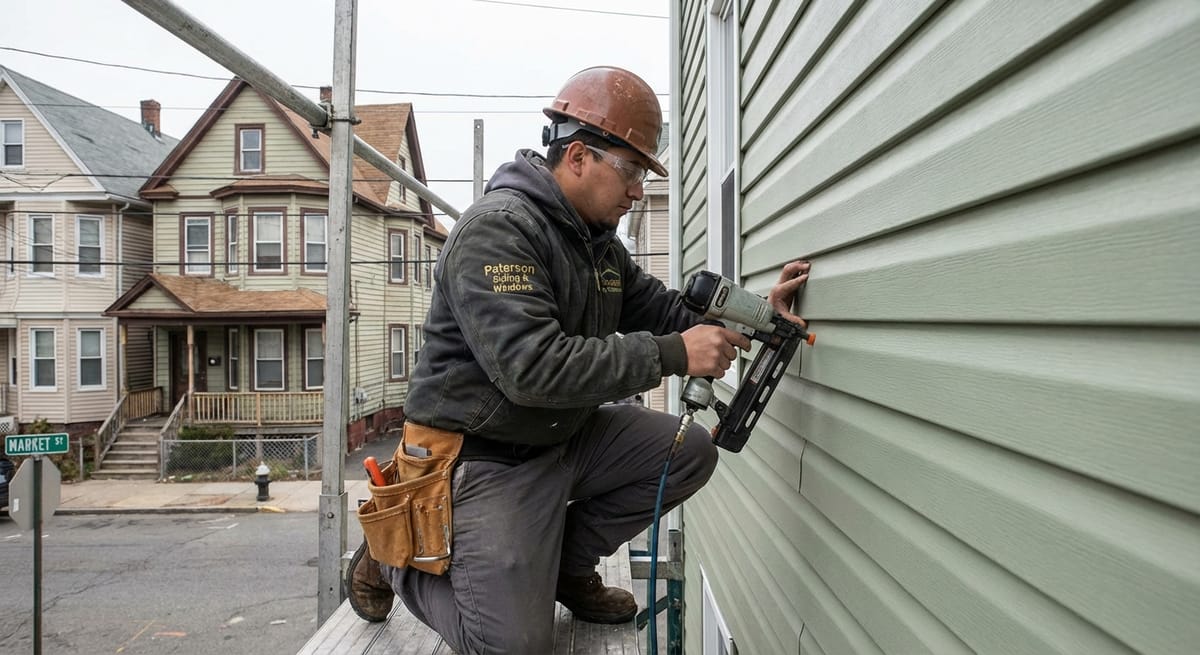
Installation follows manufacturer specifications and building codes. We start at the bottom of each wall section with a starter strip that locks the first course of siding into place. Each subsequent row interlocks with the one below while allowing for expansion and contraction as temperatures change. Proper installation techniques ensure your siding performs correctly through hot Paterson summers and cold winters alike.
The project concludes with trim work around windows, doors, corners, and rooflines. These finishing touches complete the weatherproof envelope and give your home a polished, professional appearance.
Signs Your Paterson Home Needs Siding Replacement
Knowing when to replace rather than repair your siding helps you make informed decisions about your home investment. Several warning signs indicate that replacement makes more sense than continued repairs.
Widespread damage across multiple areas suggests systemic failure rather than isolated problems. When you notice issues on the north side, south side, and everywhere in between, patching individual spots becomes a losing battle. Replacement addresses the underlying vulnerability instead of chasing symptoms.
Warping, buckling, or bulging panels indicate that siding has reached the end of its functional life. These deformities allow moisture infiltration and create gaps where pests can enter. Once vinyl loses its shape, it cannot be restored to proper form.
Significant fading or discoloration beyond normal weathering often accompanies material breakdown. While some color change is expected over time, dramatic fading or chalky residue when you touch the surface suggests the vinyl's protective compounds have degraded.
Cracking or brittleness develops as vinyl ages and loses flexibility. Siding that cracks during normal temperature fluctuations or breaks when bumped can no longer protect your home effectively. Brittle siding also becomes increasingly difficult to repair because new pieces will not blend with deteriorated material.
Moisture problems inside your home often trace back to failing siding. If you notice mold, mildew, peeling interior paint, or musty odors near exterior walls, compromised siding may be allowing water infiltration. Replacement eliminates this entry point and prevents ongoing moisture damage.
Rising energy bills without explanation can indicate that aging siding no longer insulates effectively. When gaps develop between panels or insulation behind siding degrades, your HVAC system works harder to maintain comfortable temperatures.
Why Siding Problems Develop Over Time
Understanding what causes siding failure helps homeowners appreciate why replacement becomes necessary and how to maximize the lifespan of new installation.
Weather exposure affects all exterior materials continuously. Paterson experiences temperature extremes from summer heat to winter cold, plus rain, snow, and UV radiation year-round. These forces gradually break down even quality materials. Vinyl expands and contracts with temperature changes, and over many cycles, this movement stresses connections and creates gaps.
Moisture intrusion often begins small and grows over time. Water finds its way behind siding through gaps around windows, damaged caulking, or improperly overlapped panels. Once moisture reaches the sheathing, it promotes rot that spreads outward. By the time visible damage appears, hidden deterioration may be extensive.
Installation quality dramatically affects siding longevity. Properly installed vinyl siding can last decades, while improper installation leads to premature failure. Common installation mistakes include nailing panels too tightly, which prevents necessary expansion and causes buckling, or failing to overlap panels correctly, which allows water infiltration.
Impact damage from hail, flying debris, lawn equipment, and everyday activity accumulates over time. Individual impacts may seem minor, but repeated damage weakens panels and creates entry points for moisture.
Age and material degradation eventually affect every siding installation regardless of quality. Vinyl's plasticizers and stabilizers gradually break down from UV exposure and environmental stress. This degradation explains why older siding becomes brittle even without visible damage.
Factors That Influence Replacement Cost
Several variables determine the investment required for siding replacement. Understanding these factors helps you evaluate quotes and make budget decisions.
Home size and complexity directly impact material and labor requirements. Larger homes need more siding panels, and complex layouts with multiple angles, gables, dormers, and architectural features require more cutting, fitting, and trim work than simple rectangular structures.
Existing siding removal adds to project scope. Some situations require more careful removal than others, particularly if asbestos-containing materials are present in older homes or if the underlying structure needs significant repair.
Underlying damage extent cannot always be fully assessed until old siding comes off. Rotted sheathing, compromised framing, or inadequate house wrap discovered during removal adds necessary repair work to the project.
Siding quality and features vary significantly across product lines. Thicker gauge vinyl offers better durability and appearance. Insulated siding products include foam backing that improves energy efficiency. Premium color options and textures that mimic wood grain cost more than basic profiles.
Trim and accessory requirements affect overall investment. Window and door surrounds, corner posts, soffit, fascia, and decorative elements add both material costs and installation time.
Season and scheduling can influence pricing. Contractors often have more availability during slower periods, which may affect quote competitiveness.
Repair Versus Complete Replacement
Deciding between targeted repairs and full replacement requires weighing several considerations unique to your situation.
Repair makes sense when:
- Damage is limited to a small, defined area
- The surrounding siding remains in good condition
- Matching replacement panels are available
- The underlying structure is sound
- Your siding is relatively new and has many years of service life remaining
Replacement makes sense when:
- Damage appears across multiple areas of your home
- Siding shows signs of widespread deterioration like fading, chalking, or brittleness
- Matching materials are no longer available
- You want to update your home's appearance with new colors or styles
- Energy efficiency improvements are a priority
- Ongoing repairs have become a recurring expense
Consider the cumulative cost of repairs over time. Multiple repair projects over several years can approach or exceed the cost of replacement while leaving you with patchwork results. Replacement provides a fresh start with consistent materials and uniform appearance.
The Paterson Vinyl Pros Approach
Our team brings extensive experience to every siding replacement project in Paterson. We understand the local climate challenges and building requirements that affect siding performance in this region.
Every project begins with honest assessment. We examine your current siding condition, discuss your goals and concerns, and provide clear recommendations. If repair makes more sense for your situation, we tell you that directly.
We use quality materials from established manufacturers with solid warranty protection. Our installation techniques follow manufacturer specifications and exceed building code minimums to ensure lasting performance.
Communication remains a priority throughout your project. We explain what we find during removal, discuss any necessary additional work before proceeding, and keep you informed of progress. No surprises, no hidden charges, no pressure.
Our worksite practices respect your property. We protect landscaping, contain debris, and clean up thoroughly each day. When we finish, your property looks better than when we started.
Preparing for Your Siding Replacement Project
A few simple preparations help your project proceed smoothly and protect your belongings during the work.
Clear access around your home by moving vehicles, patio furniture, grills, and other items away from exterior walls. Contractors need room to set up ladders and staging while protecting your property from falling debris.
Trim back vegetation that grows close to your home's exterior. Shrubs and branches in the way slow work and risk damage to plants. Cutting back now makes installation easier and gives new siding room to be visible.
Remove or protect fragile items near exterior walls, both outside and inside. Vibration from demolition and installation can shift items on shelves or walls. Temporarily relocating breakables prevents accidents.
Discuss access and timing with your contractor. Understand when crews will arrive, where they will stage materials, and approximately how long the project will take. This information helps you plan around the disruption.
Notify neighbors about upcoming work as a courtesy. Construction noise and increased vehicle traffic affect adjacent properties. A brief heads-up maintains good relationships.